
VISUAL TREATMENT
Working Title: THE WARNING
Core Visual Philosophy
This film lives at the intersection of distance and intimacy.
A war witnessed from orbit.
A genocide predicted in pixels.
A human tragedy unfolding in silence.
A genocide predicted in pixels.
A human tragedy unfolding in silence.
Visually, we contrast:
Cold, forensic observation (satellite, screens, data, several teams working remotely) - as a fast-paced montage (UNITED STATES TEAMS + OMAR).
Raw, human proximity, desolation (faces, breath, memory, testimony) - on a slower-paced platform (SUDAN).
The tension between these two visual worlds becomes the language of the film.
Dual-World Structure (Visual Language)
1. THE UNITED STATES — “THE OBSERVERS”
Mood: Controlled, analytical, restrained
Palette: Cool tones — steel blues, desaturated neutrals, soft whites
Texture: Clean, precise, minimal noise, slick movement (motorized slider, gimbal), computer reflections on glasses, camera mounts, a LOT of sequencing in order to build interesting and fast-moving montages.
Palette: Cool tones — steel blues, desaturated neutrals, soft whites
Texture: Clean, precise, minimal noise, slick movement (motorized slider, gimbal), computer reflections on glasses, camera mounts, a LOT of sequencing in order to build interesting and fast-moving montages.
I have better examples from the Iran's shoot but have to dive deep in hard drives . Will send examples in the next. few days.
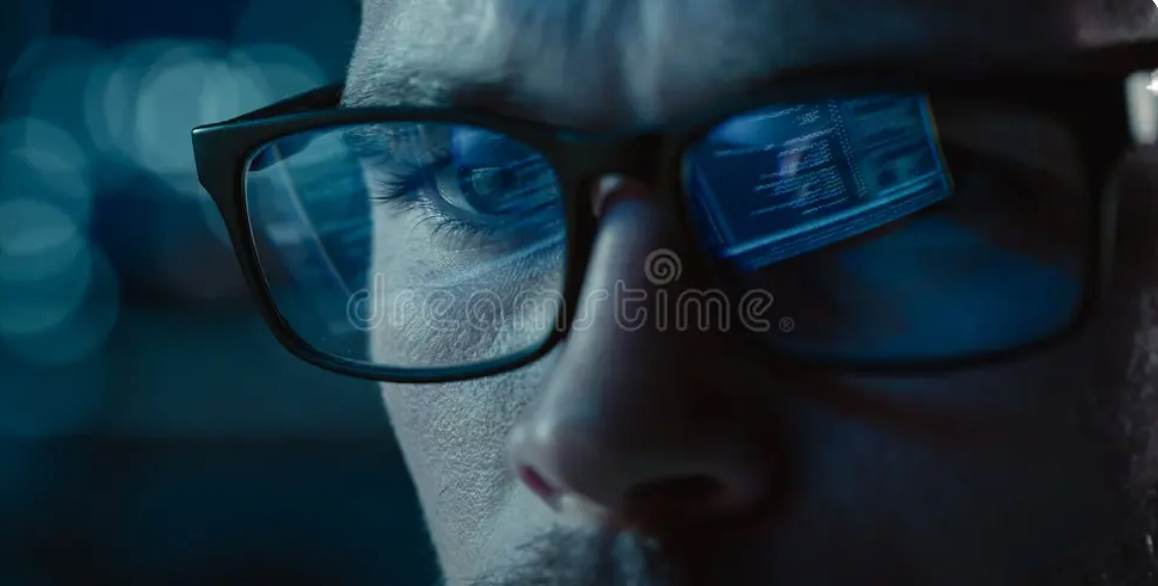

Camera language: Highly produced scenes (ie the use of car mounts) to be used as bridges between scenes, well-thought out shots and elevated aesthetics to emphasize the analytical aspect of film.
Nathaniel Raymond’s world is methodical and so should the camera language.
Key visual elements:
Artificial light in interiors to balance or mimic natural light, the use of gobos, etc.
Screens illuminating faces in darkness
Reflections on glass (monitors, windows, lenses)
Data layered over humanity
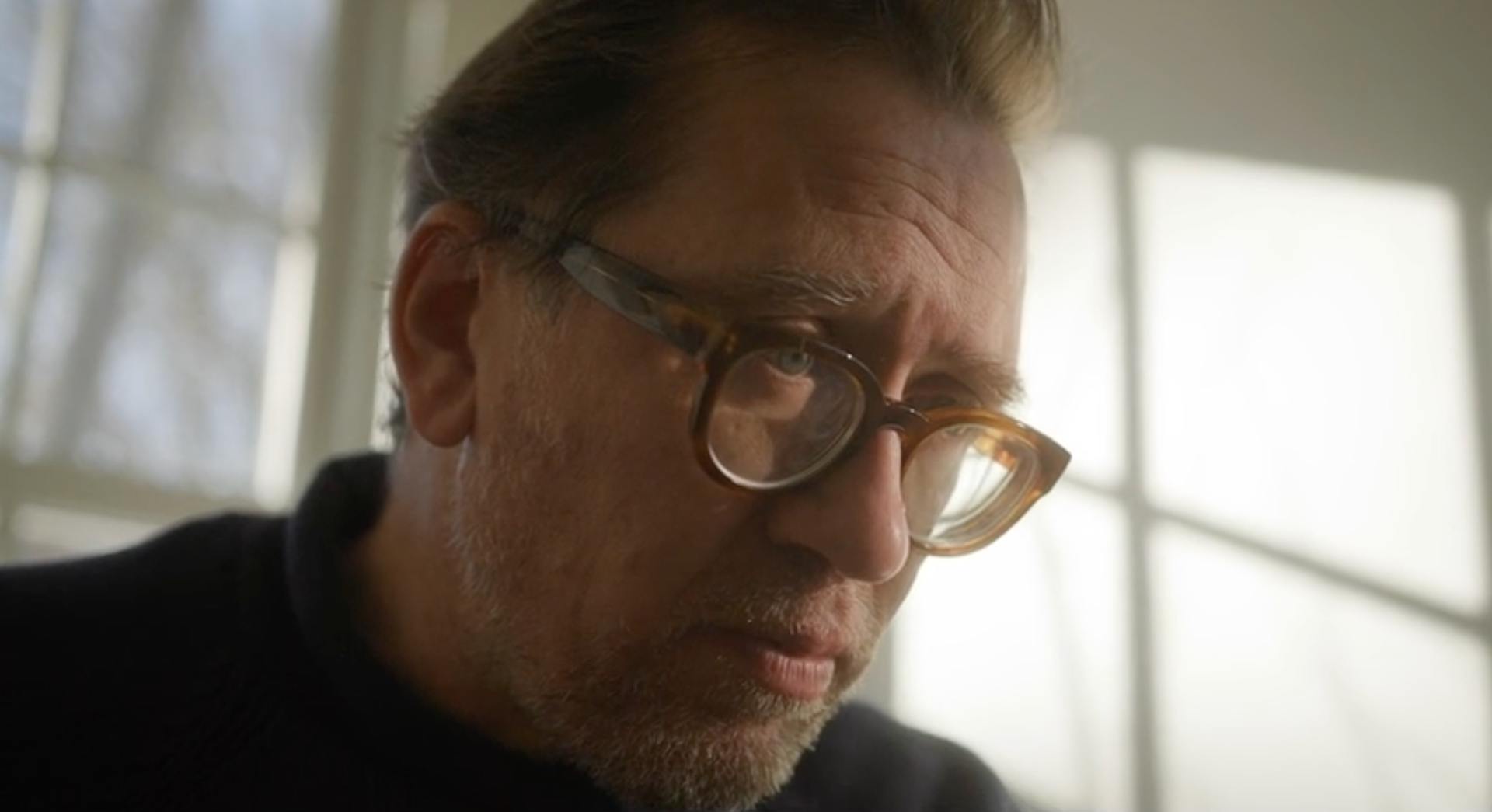
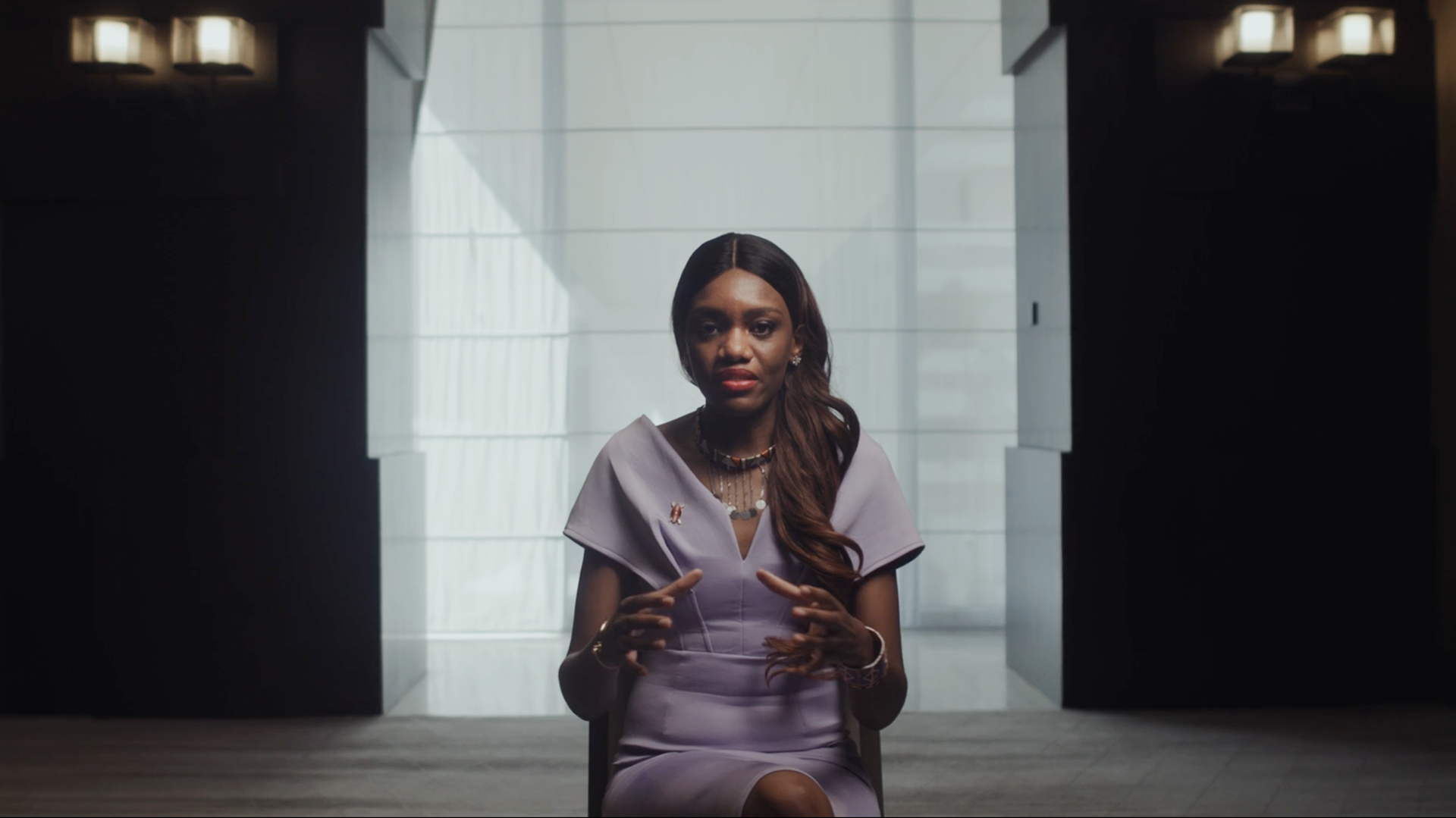
GoBo (fake window on right of Nathaniel's face, and a second light outside the house to add a flare to subject). The idea here is to make it look natural).
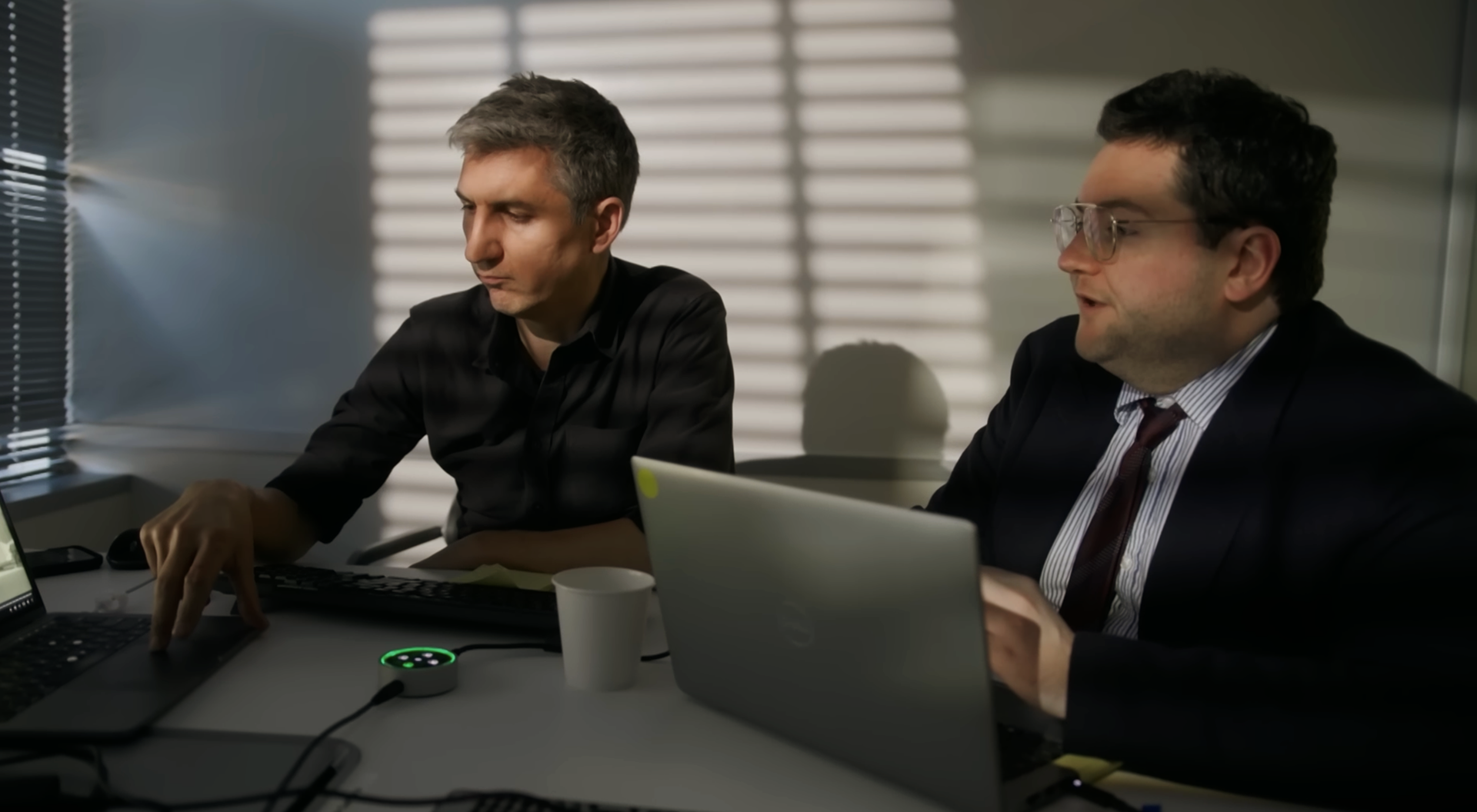
GoBo (fake window on center of frame).
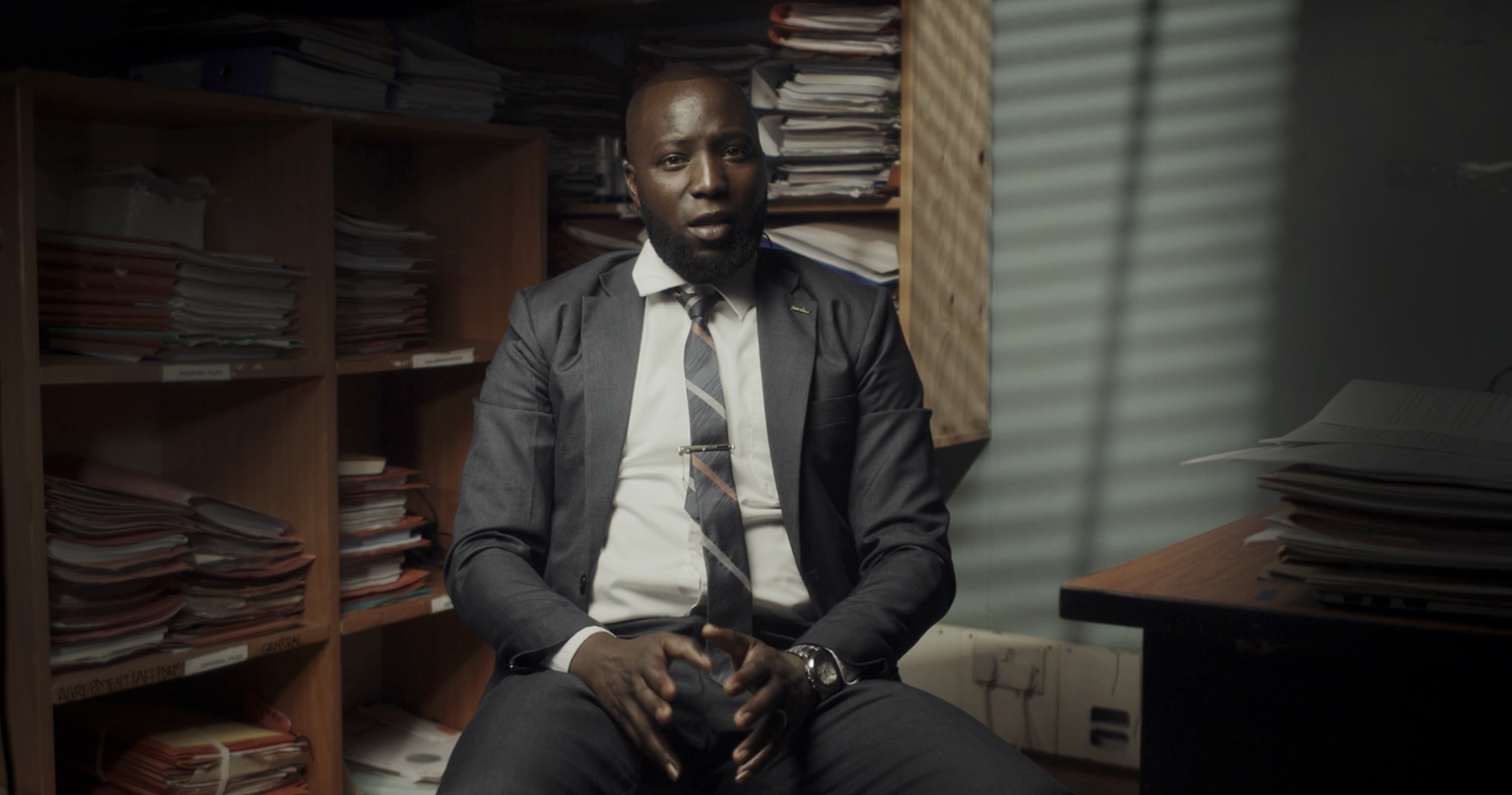
GoBo (fake window on right frame on an otherwise terrible/sterile location).
Camera approach:
- Slow push-ins during moments of realization
- Static frames to emphasize paralysis and bureaucracy, juxtaposed with the frantic search for more clues as a call to action.
- Shallow depth for isolation
Visual motif:
- The glow of information vs. the absence of action
- We often linger just a beat too long—on a cursor, a loading image, a satellite frame—creating a sense of impending dread.
2. SUDAN / DIASPORA — “THE WITNESSES”
Mood: Immediate, fragile, visceral, chaotic.
Texture: Grain, movement, layered imperfection
Camera language: Handheld, reactive, intimate
Texture: Grain, movement, layered imperfection
Camera language: Handheld, reactive, intimate
Omer Ismail’s world is fluid, human, and constantly in motion.
Key visual elements:
- Faces in natural light—creased, weathered, alive
- Wind, dust, fabric, heat shimmer
- Improvised interiors, refugee spaces, transitional environments
- Oral testimony captured in stillness
Camera approach:
- Close, observational handheld
- Long takes—allowing stories to unfold without interruption
- Imperfect framing embraced (human over aesthetic perfection)
Visual motif:
- Memory as resistance
- Where the U.S. is about seeing, Sudan is about feeling.
Satellite Imagery & Data — The Third Character
Satellite imagery is not illustrative—it is narrative.
- It is the eye that saw everything before the world reacted.
Treatment:
- Treated as cinematic landscapes, not graphics
- Slow, deliberate zooms into destruction
Before/after transitions (life → absence) - we can use the shots of flower blooms and lush farm vegetation of the fall when speaking of the good times before the war, and more desolate, barren scenes of scorched earth, when discussing the descent into the chaos of the present?
Transitions:
- Transitions are often match cuts across time:
- A satellite burn mark → a survivor’s memory
- A briefing room → a destroyed home
- A digital map → a human face
- Editing techniques using action as a medium of transition:
Examples: Nathaniel walks to a door, cut to hand turning door knob, and we cut to Omar (or some other character) entering through he other side of the door to another room in a different country. This can be done with coffee cups as well (hand grabs cup and leaves frame, and we cut to a different person in a different country taking a sip), entering and exiting car doors , lights turning off in one location reveals the night sky at another, etc… If this idea is appealing to you, we would have to make sure we keep these present during filming in order to have enough material to cut them well.
- Licensed animation of planet earth from space, then a satellite image dissolves into ground-level reality through drone photography.
Motion array has some licensing options. but there are plenty of options that won't break the budget.
An example of transition scene from planet earth animation/satellites, to ground level. We would shoot straight down/top down - the way satellites look down on us , rather than at an angle. this is just an example on how we could transition from us to Sudan.
- Play with elements of nature - the seasons for example offer ways to enter and exit scenes (raining in New Haven, then cut to drops of water in Sudan… etc. Wind, fire are also useful elements.
- Drone photography straight down contrasting the different landscapes and of course, circumstances/realities. Examples: Top/down drone shots of desert scenes, split screen of top/down drone of New Haven, then cut to New Haven drone shot. Can explain on a call.
Sound pairing:
Silence or low-frequency hum
Occasionally layered with distant voices or wind.
USA - Sound of cars and city sfx (if in NYC for example) with the quietness of the vast expanse of Sudan. So we would make sure to get decent audio on all locations (sometimes this is overlooked but very important).
Hissing of data going through computer and screen cables, the fan of the computer churning out alarming data, the tic-toc of a clock in Nathaniel's house to signal urgency, media reports on radio (and make sure we have a lot of car radio shots etc so we have the option of adding audio on them).
Interweaving Timelines
The film moves between:
Present tense: Investigation unfolding now
Past tense: The missed warning
Before and after shots.
Recreation of events?
Visual distinction:
Timeline Look:
PRESENT:
- USA: Highly stylized/produced, slightly colder The stylized aspect of the US shoot is to emphasize just how methodical and calculating both the investigations and the government really are.
- SUDAN: Earth tones, dry land. Wouldn't suggest over-editorializing color here. We all remember the movie SICARIO where Mexico is brown and orange and the US blue and clean.
PAST:
- USA: Same as above - recreations don’t necessarily have to be desaturated or grainy (that is an A&E or History Channel cringe technique).
- SUDAN: Colorful, fall colors after rainy season, flower blooms, water sources filled, people tending to crops if we see them. Colorful moments, scenes of joy. Slow motion shots that give us the opportunity to reflect on the past. In terms of coloring in post, that is your choice but I would suggest full spectrum of color (even warmer tones).
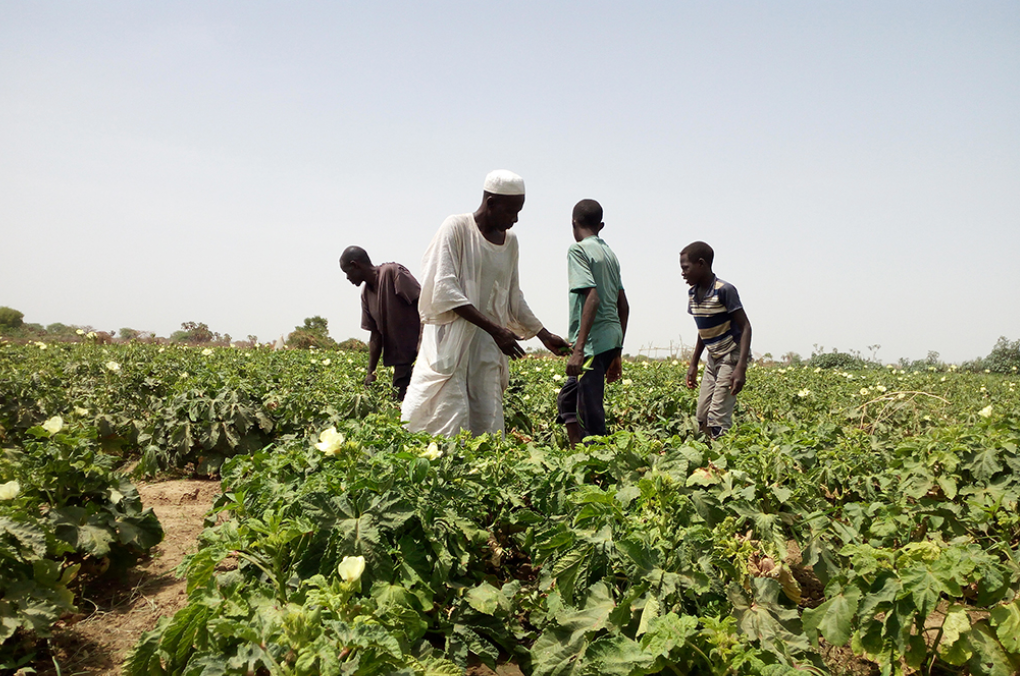
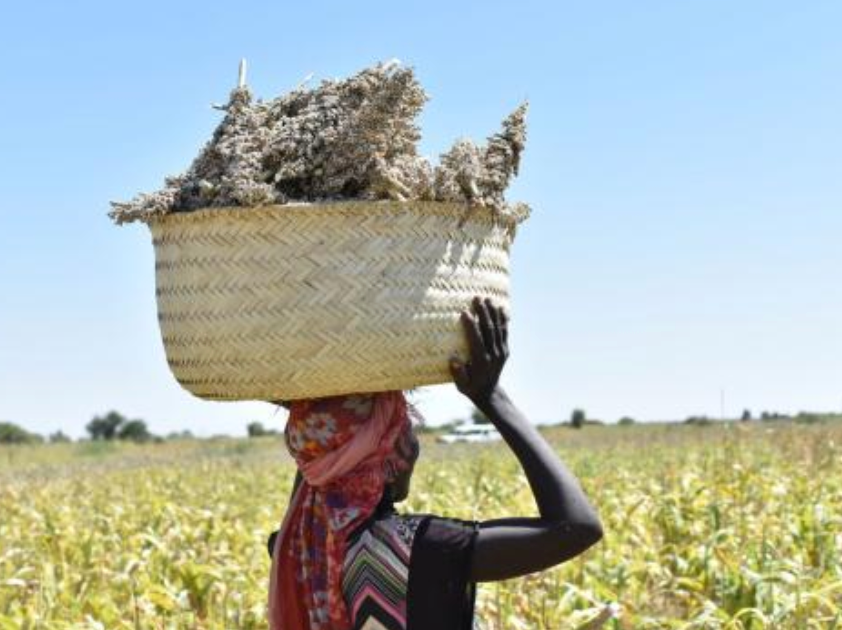
- I believe you mentioned Sara, trying to match past footage in Sudan (family videos, landscapes, specific scenes from happier times), and trying to match the before and after with real footage we can access during our trip? This is a great idea and super powerful as it shows how dramatic things can change in a short period of time.
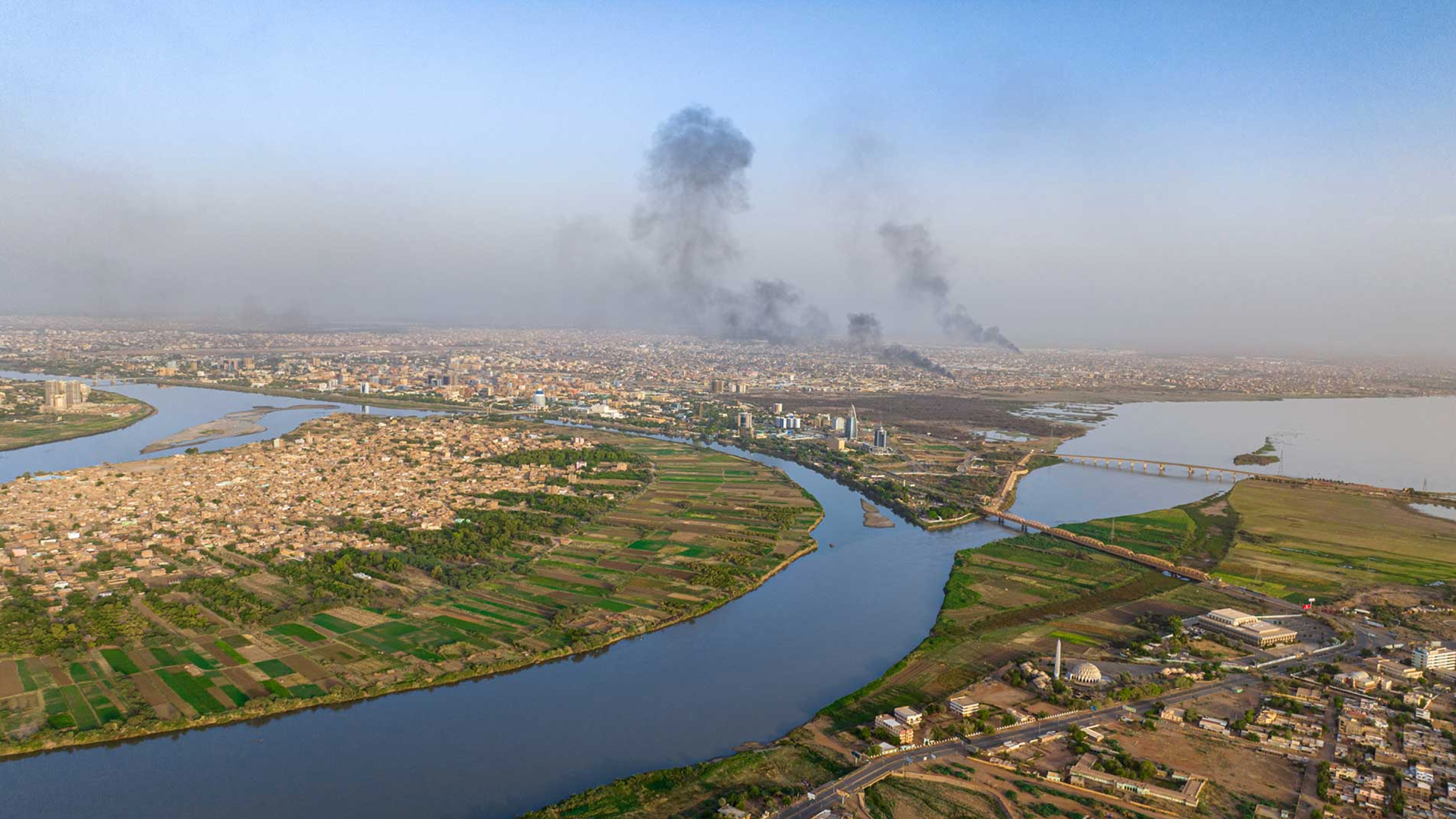
- DRONE: We can begin with a top down shot of the banks of the Nile, greenery on all sides, and then slowly pan up to reveal smoke in the distance as we arrive at the PRESENT. Audio of artillery bleeds in.
Lighting Approach
United States
Motivated by windows, practicals (bulbs, lamps).
Soft, directional light to mimic natural sunlight coming through windows.
Controlled contrast.
Darkness allowed to dominate frames on forensic scenes.
Sudan / Field
Natural light or naturalistic replication
Hard sunlight, controlled highlights
Interiors lit by practicals (bulbs, lamps, openings) without sacrificing aesthetics.
Embrace uneven lighting and shadow
Imperfection is intentional—it reflects reality, not design.
Human Faces as Anchors
The film repeatedly returns to faces:
- Analysts staring at evidence, survivors recounting loss, fighters reflecting (or refusing to), bureaucrats deflecting.
Faces are shot:
- Close,patiently, without interruption - they are the counterpoint to abstraction.
Geopolitical Power — Visualizing the Invisible
Power is often unseen—so we show it indirectly:
Empty hallways in government buildings, closed doors, waiting rooms, corridors, hands exchanging documents,silent meetings, blurred or obscured. No spectacle—just quiet systems at work.
Rhythm & Editing
The pacing mirrors the tragedy:
Slow build of evidence, sudden escalation of violence - return to silence.
We alternate between:
- Movement (investigation, analysis, sounding the alarm, human testimony)
- Stillness (US government bureaucracy and double dealing with the Emiratis)
- The emotional rhythm is cumulative, not explosive.
Interview Format:
- May I suggest using an eye-direct (at 4k) gives us the opportunity to connect with the audience as the characters speak DIRECTLY TO THE LENS. Making eye contact with us.
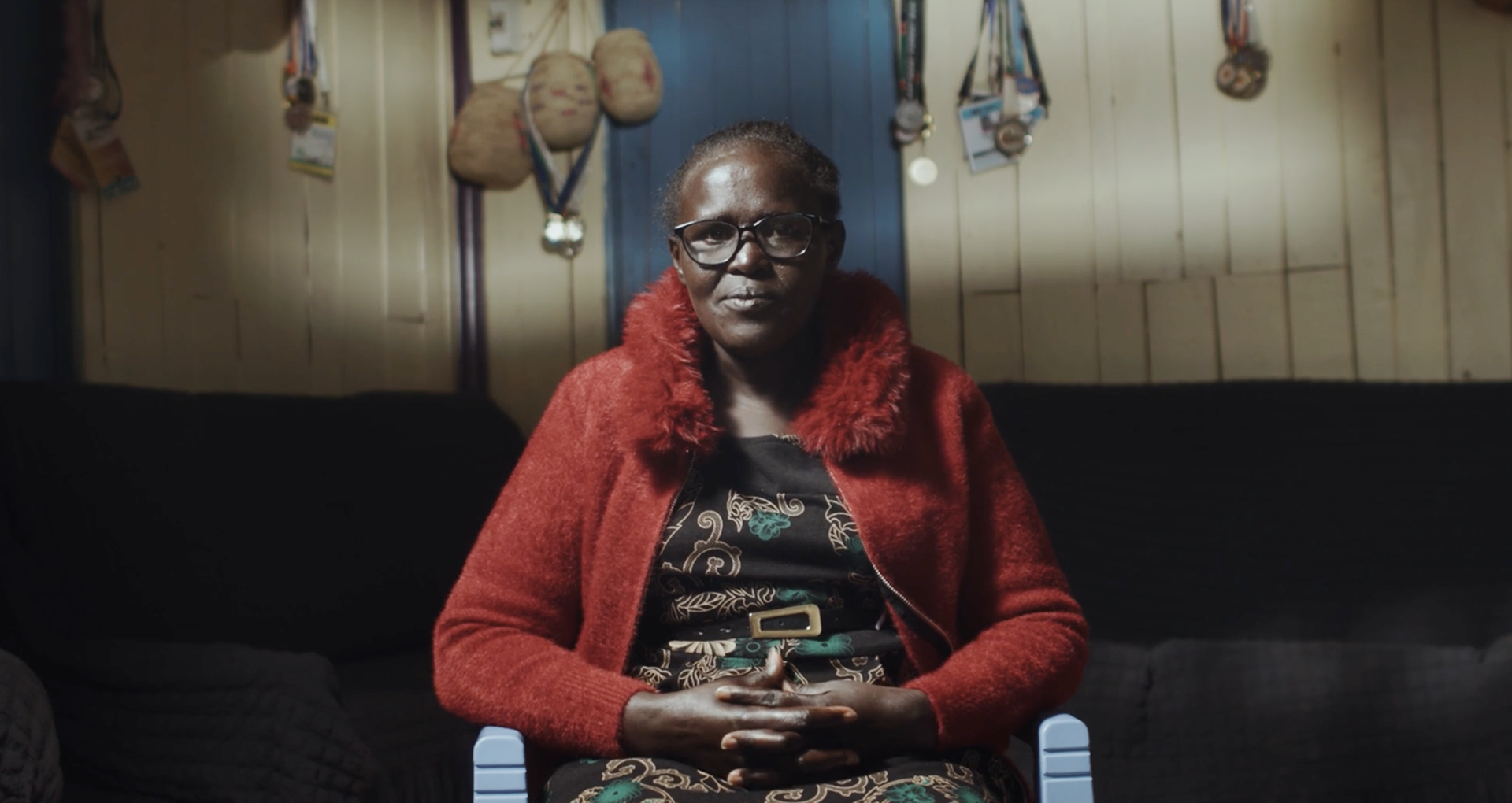
directional light on the medals in back mimic a window.
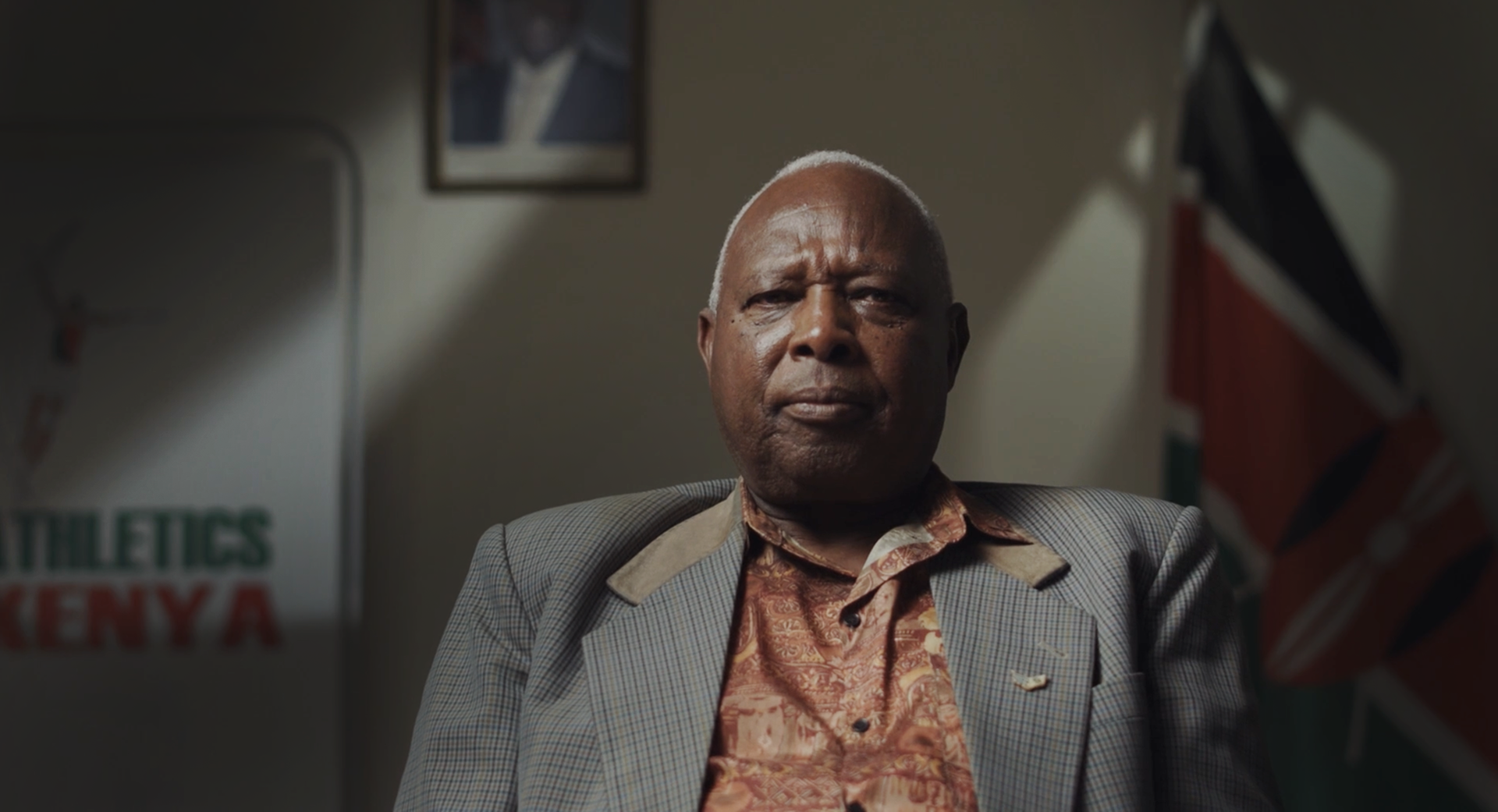
gobo on background lights text and flag.
Opening Sequence (Visual Concept)
Nathaniel walking in the woods. Soft light. Stillness. A dog moving ahead. A phone buzzes.
Cut to:
Satellite imagery loading, coordinates,smoke patterns. Cut back to forest. The world splits.
Ending Visual Language
The film does not resolve—it haunts.
Final images may include:
Satellite view of an empty landscape, a survivor’s unfinished sentence, a screen going dark
OR:
A quiet frame held just a beat too long—then a drone pullback, expanding out to an animated view of Earth. Over it, the sound of a football game, an NBA broadcast, or any non-news program—underscoring how most people remain absorbed in consumerism and entertainment, while real issues like this fade into the background noise.
Influences (Visual DNA)
American Dharma - 2018 documentary film directed by Errol Morris (emphasis on interview lighting/setups).
The Cranes Call— human + forensic storytelling (emphasis on field work gathering evidence and drone footage).
Bellincat - Truth in a post-truth world (emphasis on the way the weave in technology into film).
Observational war photography language (non-glamorized, immediate)
Minimalist political cinema